Published on


In the competitive coloring book market, one fundamental truth separates casual sellers from successful entrepreneurs: perceived value frequently has greater impact on purchase decisions than the objective value of the content.
A recent analysis of over 5,000 coloring books in the market reveals a fascinating pattern:

“The psychological packaging of a digital product affects value perception up to three times more than the objective content itself.” – Study on Behavioral Economics in Digital Products, 2024
This disparity creates an extraordinary strategic opportunity: with the same base content, you can multiply your price and profitability by primarily modifying how you present and package your offer.
Consumer psychology shows that buyers use “mental shortcuts” to evaluate products, especially when they can’t fully examine them before purchasing:
Coloring books created with tools like Color In AI fundamentally contain the same type of content: images to color. What truly differentiates a $9.99 product from a $29.99 one is how that content is presented to the potential buyer.
Based on analysis of the most successful products in the market and consumer psychology principles, these nine strategies can radically transform perceived value:
Basic concept: A simple change in how you conceptualize your product can significantly increase its perceived value.
Implementation:
Why it works: A “system” implies structured methodology and specific results, while a “collection” simply suggests a grouping of elements.
Price impact: +35-60%
Basic concept: Focus the presentation on the transformation the user experiences, not on the product features.
Implementation:
Why it works: Consumers buy outcomes, not products. The more valuable the promised outcome, the higher the price they’ll be willing to pay.
Price impact: +40-75%
Basic concept: Incorporate specific and professional terminology that suggests expertise and specialized knowledge.
Implementation:
Why it works: Specific and technical language suggests research, specialized knowledge, and content not available in generic products.
Price impact: +30-45%
Basic concept: Divide content into specifically named modules or components, creating perception of greater total value.
Implementation:
Why it works: Although the base content may be similar, modular presentation creates perception of multiple independent values, justifying a higher total price.
Price impact: +50-100%
Basic concept: Incorporate elements that genuinely limit availability or increase exclusivity.
Implementation:
Why it works: Perceived scarcity activates fear of missing out (FOMO) and increases perceived value through exclusivity.
Price impact: +40-70%
Basic concept: Incorporate the story of the creative process, making the buyer part of a meaningful journey.
Implementation:
Why it works: Stories create emotional connection and a sense of participation in something greater than a simple product.
Price impact: +35-50%
Basic concept: Place the product in a usage context associated with premium experiences or high-profile users.
Implementation:
Why it works: Usage context suggests value and results validated by demanding users, implicitly justifying a higher price.
Price impact: +50-80%
Basic concept: Include elements that suggest external validation, research, or certification.
Implementation:
Why it works: Credentials, real or perceived, increase confidence in effectiveness and justify the investment.
Price impact: +40-70%
Basic concept: Extend value beyond the individual product, incorporating elements of belonging and future value.
Implementation:
Why it works: Perceived value increases enormously when the product becomes an “entrance ticket” to an ongoing experience rather than a single transaction.
Price impact: +60-120%
To illustrate the transformative power of these strategies, let’s analyze a real case of complete repositioning:
Price: $9.99
Presentation:
Results:
Price: $29.99
Applied transformations:
Transformed results:
Analysis: With only 16 additional pages of content (a 40% content increase) and significant changes in presentation, the creator achieved a 200% price increase and 147% increase in total revenue, even with lower sales volume.
“The most valuable lesson was understanding that I wasn’t selling coloring pages, but a transformative experience. When I changed my mindset, everything changed: my marketing, my price, and surprisingly, my customers’ perception.” – Alexandra K., case study creator
Beyond conceptual strategies, there are tangible presentation elements that signal premium quality and justify higher prices:
Key elements:
Why it works: Professional visual presentation is an immediate signal of quality and attention to detail.
Practical implementation: Use professional InDesign or Canva Pro templates, or hire a designer to create a reusable template.
Key elements:
Why it works: Professional preliminary pages mimic premium book structure and establish a curated experience.
Practical implementation: Allocate 6-10 pages at the beginning of the book for these elements, following professional editorial conventions.
Key elements:
Why it works: Back matter extends the experience and adds professional context.
Practical implementation: Dedicate 4-8 final pages to these elements, designed consistently with the rest of the book.
Key elements:
Why it works: Correct metadata positions the product alongside premium alternatives before the user even sees the content.
Practical implementation: Research metadata from successful products in higher price ranges and adapt strategically.
Key elements:
Why it works: Professional visualizations help buyers imagine the real value of the product.
Practical implementation: Invest in quality mockups, professionally colored examples, and contextual photographs.
Each sales platform has unique characteristics that can be leveraged to maximize perceived value:
Amazon-specific strategies:
Practical example: Create a brief 60-second video showing different book sections and colored page examples, with relaxing background music.
Direct sales specific strategies:
Practical example: Develop a long-format sales page with clearly defined sections addressing different value aspects, common obstacles, and expected results.
Laura created mandala coloring books as a hobby and sold them for $8.99, generating modest income. After studying color psychology and art therapy, she implemented a complete transformation:
Key transformation:
Results:
“The deepest transformation occurred in my own perception. When I stopped seeing myself as ‘someone who makes coloring books’ and began seeing myself as a ‘facilitator of therapeutic experiences,’ everything changed. My confidence in setting higher prices grew because I genuinely believed in the value I was offering.” – Laura M.
Carlos noticed his generic coloring books faced enormous competition and price pressure. His strategy:
Key transformation:
Results:
“I discovered that people pay premium prices for products that reflect their professional identity. The same geometric pattern, when contextualized as ‘Precision Patterns for Surgical Minds’ versus simply ‘Geometric Patterns,’ can justify a price three times higher.” – Carlos P.
Elena sold animal coloring books at standard prices ($9.99-$12.99) with average sales. Her transformation:
Key transformation:
Results:
“I wasn’t selling animal drawings to color; I was selling a connection with nature through a meditative, educational, and transformative experience. When I changed this narrative, my customers not only accepted the new price but perceived it as extraordinary value.” – Elena T.
The difference between a $9.99 product and a $29.99 one rarely lies in the base content. The real difference is in the psychological transformation and presentation of value.
The strategies presented in this article aren’t simply marketing techniques; they are fundamentally reconceptualizations of how you, as a creator, perceive and present the value you offer to the world.
Three final principles for implementation:
The good news: with tools like Color In AI, you can create high-quality base content. Your true competitive advantage will come from how you transform that content into a valuable experience that justifies premium prices.
Ready to transform your creations into premium products? Try Color In AI free and start creating the foundation for high perceived value experiences.
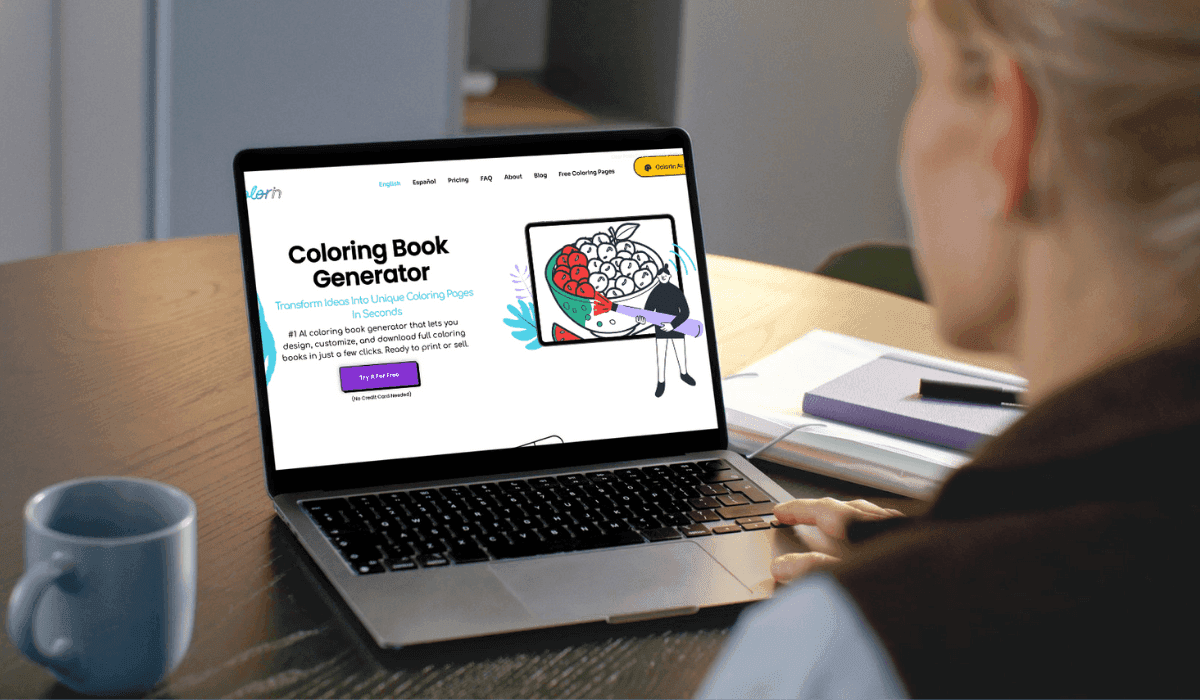
Discover the complete process to create and sell your own coloring books in 2026. From finding your niche to publishing your first book, thi…
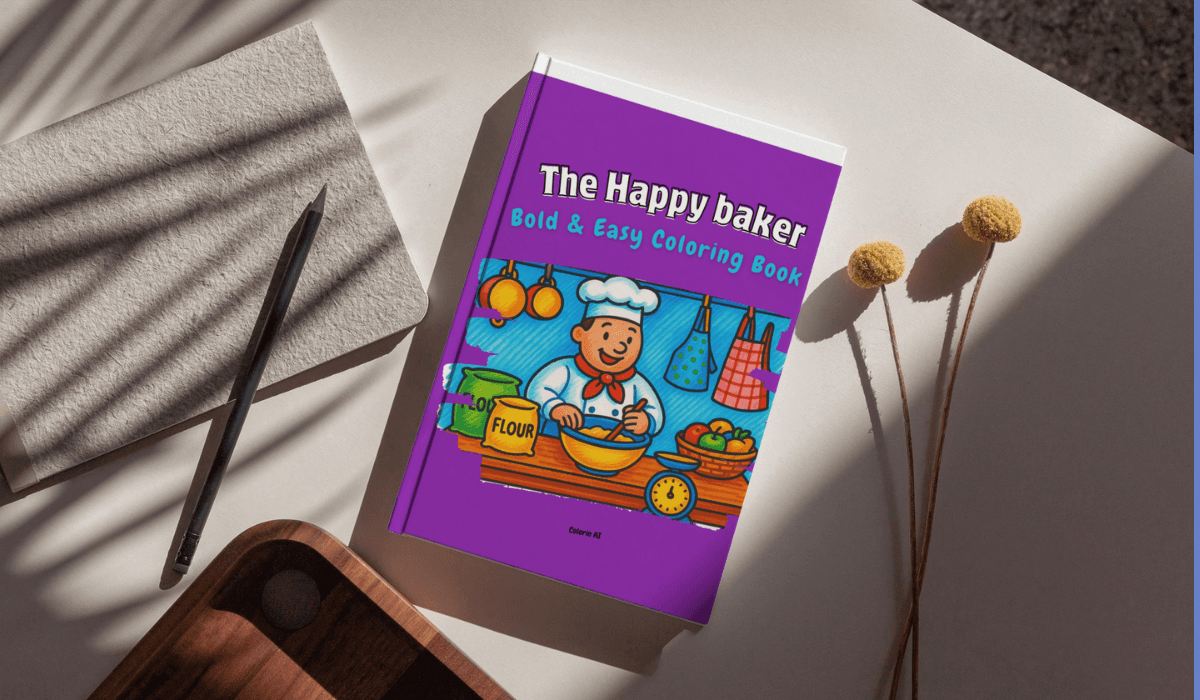
Why Selling Coloring Books is a Great Business Opportunity in 2026? Coloring books have always been popular with children, but in recent yea…

Sell coloring books online successfully! Discover the best platforms, pricing strategies, formats, and promotion tips to sell coloring books…

Learn how to create a coloring book to sell with this easy-to-follow guide. Discover tools, profitable niches, strategic pricing, and market…